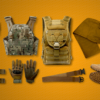

Whether you’re a security professional, search-and-rescue member, outdoor guide or serious enthusiast, the right tactical clothing turns tiring, risky work into efficient, manageable tasks. Tactical clothing is more than camo and patches — it’s engineered layers, fabrics and features that improve mobility, protection and durability in real conditions. Below is a practical, up-to-date guide to the top 10 tactical clothing pieces every operator should own, how to choose them, and tips to keep them mission-ready.
Quick overview: what “tactical clothing” really means
Tactical clothing refers to garments designed for function first: moisture-wicking base layers, abrasion-resistant outer fabrics (Cordura, rip-stop), reinforced seams, articulated patterning for movement, and task-oriented pockets. Good tactical clothing balances comfort, durability, weather performance, and modularity so you can layer or shed pieces as the mission demands.
1. Moisture-Wicking Base Layer (Top & Bottom)
Why it matters: A technical base layer moves sweat away from skin, preventing chafing, reducing heat stress in hot climates and preserving warmth in cold weather.
What to look for: synthetic blends (polyester/nylon) or merino wool options; flatlock seams; odor-resistant finishes; quick-dry performance.
Use cases: worn under combat shirts or insulated jackets; essential for long patrols and multi-day operations.
2. Tactical Shirt / Combat Shirt
Why it matters: The combat or tactical shirt is the workhorse of modern kits — light where you need breathability, reinforced at shoulders and elbows where rigs rub.
Features to prioritize: reinforced shoulder panels for sling wear, vented panels, hook-and-loop sleeve pockets, UPF sun protection, and anti-odor treatment. Look for shirts with articulated sleeves that mirror natural arm movement.
Pro tip: choose a long-sleeve convertible option for sun protection that can be rolled or cuffed in hot environments.
3. Rip-stop Tactical Pants with Articulated Knees
Why it matters: Tactical pants must allow full mobility — running, kneeling, climbing — while resisting abrasion.
Key specs: rip-stop fabric or Cordura blends, gusseted crotch, articulated knees, reinforced seat and knee overlays, multiple cargo pockets and internal knee-pad pockets. YKK zippers and bar-tacked stress points extend useful life.
Fit guidance: test squats, lunges and a climb motion in the showroom; pants should move with you, not restrict you.
4. Lightweight, Hard-Wearing Jacket / Soft Shell
Why it matters: A soft shell balances wind protection, breathability and abrasion resistance for transitional seasons. It’s more breathable than hard-shell rainwear and more protective than a fleece.
What to choose: breathable membrane (e.g., 3-layer soft shell), articulated elbows, adjustable hem and hood compatibility for helmets or caps. Look for water-resistant coatings and pit zips for ventilation.
Layering note: pair with a base layer and a waterproof shell when heavy rain is possible.
5. Waterproof Hard-shell / Rain Jacket
Why it matters: Monsoon, sudden squalls or wet terrain can cripple operations — waterproof protection keeps you dry, reduces hypothermia risk and preserves kit.
Must-have features: fully taped seams, durable water repellent (DWR) finish, vented zippers, and adjustable cuffs/hood. Breathability is critical to avoid internal condensation.
Carry approach: a light hard-shell packed in your ruck is far better than being soaked in the field.
6. Insulating Mid-Layer (Fleece or Synthetic)
Why it matters: For cold nights, high-altitude tasks or dawn/dusk patrols, an insulating mid-layer traps heat while still allowing moisture transfer.
Options: mid-weight fleece, synthetic insulated jackets (Prim aloft-type), or thin down with a compressible profile for packability.
Tip: choose a mid-layer with zippered hand pockets and a good collar to reduce heat loss.
7. Tactical Boots / Hybrid Approach Shoes
Why it matters: Footwear affects mobility, endurance and injury risk more than almost any other item. Boots must balance ankle support, traction, breathability and weight.
Key features: rugged outsole with multi-terrain lugs, breathable upper (mesh+Cordura), toe protection, removable insoles for drying, and fast-lacing systems for security. Consider hybrid approach shoes for fast-moving missions where agility is paramount.
Break-in: never go long missions in new boots — break them in with incrementally longer walks.
8. Tactical Gloves (Dexterity + Protection)
Why it matters: Gloves protect against cuts, burns and abrasion while enabling dexterous tasks like weapon handling, comms, or medical intervention.
Balance: thin palm panels for trigger feel with reinforced knuckles for impact protection. Look for touchscreen-compatible fingertips and breathability for hot climates.
Care: keep a pair for heavy work and a lighter pair for delicate tasks.
9. Knee Pads & Integrated Pad Systems
Why it matters: Kneeling, sliding and prolonged ground work quickly wear-out pants and injure knees. Integrated knee-pad pockets or clip-in pads provide protection without bulky external straps.
Select for: slim profile that fits inside pockets, shock-absorbing foam or polymer caps, and non-slip interfaces that won’t migrate during movement.
Compatibility: ensure compatibility with your tactical pants’ knee pocket dimensions.
10. Head & Face Protection: Caps, Balaclavas & Neck Gaiters
Why it matters: Sun exposure, wind, dust and cold affect performance. Simple headwear extends comfort massively.
Options and uses: breathable boonie or baseball caps for sun, helmet-compatible balaclavas for cold/high-dust environments, and UV-protective neck gaiters for sun and spray protection. Choose materials with UPF and moisture management.
Multi-use: gaiters can be used as small emergency tourniquets or dust filters in a pinch.
Bonus pieces operators often undervalue
- Duty Belt / Riggers Belt: distributes weight and secures pouches.
- Gaiters & Over boots: protect against sand, mud and snakes in desert/field ops.
- High-visibility / IR panels: for vehicle convoys or signaled operations at night when needed.
- Compression sacks & dry bags: preserve kit and reduce bulk in humid climates.
How to choose: a practical buying checklist
- Match garments to mission profile — urban surveillance, mounted patrol, mountain rescue or long-range foot patrol need different emphasis in breathability vs insulation.
- Materials matter — prefer Cordura or high denier rip-stop for outer layers; moisture-wicking synthetics or merino for base layers.
- Test movements — squat, lunge, reach and climb when trying on pants and shirts.
- Check reinforcements — knees, seat, shoulders and pockets should have reinforced stitching.
- Fastenings & hardware — YKK zips, durable buckles and robust Velcro prolong life.
- Serviceability — are replacement straps, buckles and pads available? Can zippers be fixed locally?
- Fit with armor — plate carriers reduce torso clearance; ensure you can layer clothing without restricting access to pouches and weapon slings.
Climate notes: tailoring clothing choices to local realities
- Hot & arid climates: prioritize breathability, UPF protection, and evaporative cooling (gaiters, ventilated shirt panels).
- Humid & monsoon conditions: quick-dry fabrics, waterproof shells, and desiccant storage for kit between uses.
- Cold & high altitude: thermal base layers, insulating mid-layers, weatherproof outer shells, and battery care for electronics.
- Mixed climates: modular systems — compressible mid-layers and detachable shells — are best.
Care & maintenance: keep your tactical clothing serviceable
- Wash smart: follow labels — most technical fabrics like Cordura and rip-stop use cold gentle cycles; avoid fabric softeners which kill moisture-wicking.
- Drying: air dry out of direct sun to preserve coatings and dyes; machine-dry only when specified.
- Re-treat DWR: after several washes, apply a spray-on DWR (durable water repellent) to hard-shells.
- Repair kits: carry a small sewing kit, heavy-duty repair tape and spare buckles to handle field repairs.
- Storage: keep layered kits in breathable bags; desiccant packs prevent mildew in humid regions.
Final checklist: building your operator wardrobe
- Base layer top & bottom ✔
- Tactical shirt (long & short sleeve options) ✔
- Rip-stop tactical pants with knee pad pockets ✔
- Soft shell + waterproof hardshell ✔
- Insulating mid-layer (fleece or synthetic) ✔
- Tactical boots or hybrid approach shoes ✔
- Tactical gloves (heavy & light) ✔
- Removable knee pads ✔
- Head protection: cap, balaclava, gaiter ✔
- Duty belt / load distribution system ✔
Closing — buy smart, train with kit, rotate seasonally
Great tactical clothing is an investment in safety, performance and comfort. Buy with mission profiles in mind, test kit under realistic conditions, and rotate seasonally to match environments. Quality materials, proper fit and simple maintenance will keep your clothing performing longer and reduce the risk of gear failure when it matters most.